
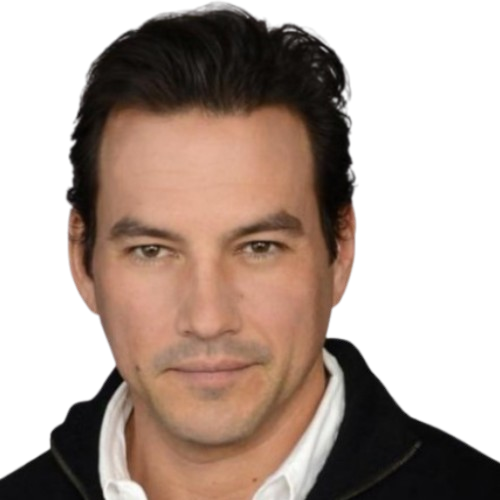
Tyler Christopher’s death was ruled alcohol poisoning, with a reported blood alcohol concentration of 0.327 percent.
That level is medically dangerous.
At 0.30 and above, respiratory depression, loss of consciousness, and death become real risks.
Alcohol alone can be fatal.
The Tragic Hook: “It’s just alcohol.”
Because alcohol is legal and socially normalized, its danger is often minimized.
But a 0.327 BAC is not casual drinking.
It represents severe intoxication capable of:
- Suppressing breathing
- Causing aspiration
- Triggering cardiac instability
- Leading to unconsciousness without recovery
Alcohol poisoning is not dramatic.
It is physiological shutdown.

Substance Involved
- Ethanol (alcohol)
No complex cocktail.
No street contamination.
No counterfeit pills.
Just alcohol at a lethal concentration.
Toxicology Details (Lay Explanation)
Blood alcohol concentration (BAC) measures the amount of alcohol in the bloodstream.
For context:
- 0.08% is legal intoxication in most states.
- 0.20% often causes confusion and vomiting.
- 0.30% can cause loss of consciousness.
- 0.40% and above may be fatal.
At 0.327%, the central nervous system is severely depressed.
Breathing slows.
Protective airway reflexes weaken.
The risk of choking or respiratory arrest increases.
The body cannot compensate.
The Alcohol Escalation Pattern
Alcohol dependence often follows this trajectory:
- Social drinking
- Stress drinking
- Daily drinking
- High tolerance
- Increased quantity to feel normal
- Drinking alone
- Blackouts
- Dangerous BAC levels
Tolerance tricks the brain.
The person feels “functional.”
The blood level says otherwise.
Warning Signs of Severe Alcohol Dependence
If you see these patterns, intervene early:
- Drinking alone regularly
- Needing alcohol to sleep
- Morning drinking
- Tremors when not drinking
- Memory blackouts
- Slurred speech at moderate intake
- Drinking despite health warnings
- Emotional volatility tied to alcohol access
One of the most serious red flags:
Consuming large quantities quickly after emotional distress.
The Relapse Psychology Section (Short and Direct)
Alcohol is often used to numb:
- Anxiety
- Shame
- Financial stress
- Career instability
- Loneliness
The brain learns fast relief.
But alcohol tolerance builds rapidly.
As tolerance rises, consumption increases.
The person may not appear drunk — but their BAC may be climbing toward lethal territory.
That’s the danger.
Why Alcohol Poisoning Is Underestimated
Because it’s common.
Because it’s legal.
Because “everyone drinks.”
But alcohol depresses the same brain centers that opioids do — the centers that regulate breathing.
At high enough levels, alcohol alone can stop respiration.
No mixing required.
What To Do If You’re Concerned
If someone is:
- Unconscious
- Breathing irregularly
- Vomiting while asleep
- Pale or bluish
- Cold and clammy
Call emergency services immediately.
If it’s not yet a crisis:
- Reduce access to alcohol
- Encourage medical evaluation
- Screen for withdrawal risk
- Seek structured detox support
- Consider inpatient or outpatient treatment
Severe alcohol withdrawal can be dangerous. Medical supervision matters.
Frequently Asked Questions
Can alcohol alone cause fatal overdose?
Yes. High BAC levels can suppress breathing and cause death.
What BAC is life-threatening?
Levels above 0.30% are medically dangerous. Risk increases sharply above that threshold.
What is the first step toward recovery?
Medical assessment, especially if physical dependence is present.
Private Treatment Saves Lives — Act Before It’s Too Late
Tyler Christopher’s story is a reminder:
Alcohol is not harmless.
It does not require street drugs to become fatal.
If someone you love is escalating alcohol use or drinking alone in high amounts:
Do not wait for a medical emergency.
Delay death. Choose treatment.
📞 Make the call now.
📞 💬The Next Step Before It’s Too Late?
If you or someone you love is struggling with addiction, answer these 3 quick questions to speak with a recovery advisor:
- Do you need inpatient treatment for alcohol or drug addiction?
- Do you have private PPO insurance or $15,000+ available for care?
- Are you willing to travel out of state for treatment? (A change of scenery produces better outcome)
✅ If you answered YES to all 3, tap here to speak with an advisor now. 🔒 100% Confidential.
Choose Treatment.
Call Now Don't Wait Before Its Too Late!