
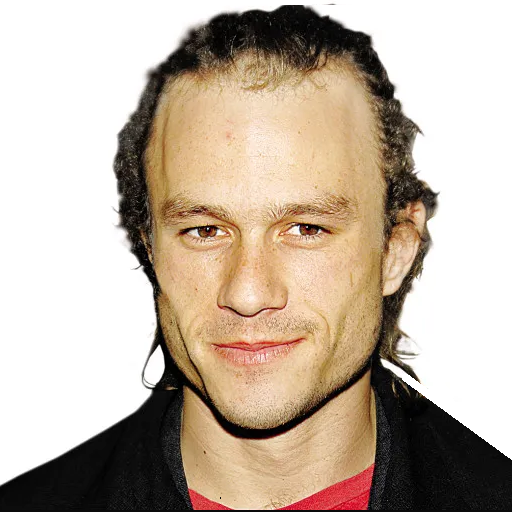
Heath Ledger’s death shocked the world because it didn’t fit the stereotype people hold about addiction. He was talented, working, and highly functional, yet a lethal outcome still happened. His case is a simple, brutal lesson: mixing multiple prescription sedatives, sleep aids, and opioids can slow breathing until it stops, even when each medication seems “normal” on its own.
If you’re reading this because you’re worried about yourself or someone you love, focus on one idea: polysubstance mixing is the danger. Not weakness. Not character. Chemistry.

The Tragic Hook: “It can happen to people who look fine”
Many people in relapse, or quietly slipping into dependence, still show up to work, still smile, still say they’re “okay.” That’s why overdose risk is so deceptive. The body doesn’t care how successful you are, it only reacts to what’s in the bloodstream.
Ledger’s death was ruled an accidental overdose involving multiple prescription medications. The core risk pattern is common: sedatives plus opioids plus sleep aids. The combination can suppress the respiratory drive.
Substance Involved (High-Level Summary)
Public reporting and official findings widely describe multiple prescription drugs involved, including categories and examples such as:
- Opioid pain medications (example: oxycodone, hydrocodone)
- Benzodiazepines / sedatives (example: diazepam, alprazolam)
- Sleeping medication (example: temazepam)
- Sedating antihistamine sometimes used as a sleep aid (example: doxylamine)
You don’t need every detail memorized to understand the lesson: stacking depressants is what turns “sleepy” into “not breathing.”
Toxicology Details (Lay Explanation)
In plain terms:
- Opioids can slow breathing.
- Benzodiazepines and sleep meds can also slow breathing, plus deepen sedation.
- When combined, the effect is not just additive, it can multiply.
- The person becomes overly sedated, airway reflexes weaken, breathing becomes shallow, and oxygen drops.
This is why “I only took what was prescribed” can still become fatal when:
- there are multiple prescribers,
- medications overlap,
- doses creep upward,
- alcohol or other sedatives enter the mix,
- sleep deprivation leads to “one more pill.”
A Long Battle That Can Look Invisible
Addiction doesn’t always look like chaos. Often it looks like:
- insomnia,
- anxiety,
- chronic pain,
- “I just need to shut my brain off,”
- “I can’t sleep without something.”
That’s the quiet pathway where dependence can grow.
If you notice someone building a routine around pills, sleep, and stress management, pay attention. A “functioning” pattern can still be a dangerous one.
Timeline Leading to the Overdose (Simple Framework)
Use this timeline framework for almost every prescription-mixing tragedy:
- Pressure builds: stress, insomnia, pain, anxiety, travel, performance demands.
- Short-term relief: sleep aids, anti-anxiety meds, pain meds, sometimes from different doctors.
- Tolerance creeps in: the same dose feels weaker, stacking begins.
- Mixing becomes normal: “just tonight,” “just to sleep,” “just to calm down.”
- Breathing suppression event: the body can’t compensate, and the person doesn’t wake up.
This is why overdose prevention is not only about “street drugs.” It’s about patterns.
Warning Signs of a Return to Use (Or Dangerous Mixing)
If you see these patterns, treat them like a fire alarm:
- Using multiple sedating meds at night to “knock out”
- Taking “extra” because stress is high or sleep is broken
- Mixing meds with alcohol, even casually
- New secrecy around pill bottles, refills, or pharmacies
- Running out early, “lost” prescriptions, or frequent urgent refills
- Falling asleep mid-conversation or nodding off unexpectedly
- Confusion, slurred speech, unsteady walking
- New daytime sedation, memory gaps, or blackouts
- Isolation, irritability, and sudden mood shifts tied to sleep or medication access
If a person is difficult to wake, breathing is slow, lips look bluish, or they are snoring in an abnormal way after taking meds, treat it as an emergency.
The Relapse Psychology Section (Short and Real)
Relapse often starts with a thought that sounds harmless:
- “I just need sleep tonight.”
- “I’m not getting high.”
- “This is prescribed.”
- “I deserve relief.”
The brain in stress will bargain for fast comfort. Addiction is not only craving pleasure, it is craving escape from discomfort. That’s why people can slide into dangerous mixing without intending to.
What To Do If You’re Worried Right Now
If someone is in immediate danger (unresponsive, slow breathing, blue lips), call emergency services immediately.
If it’s not an emergency but you’re worried:
- Ask directly: “Are you mixing anything to sleep, calm down, or come down?”
- Remove the secrecy: “Show me what you took today.”
- Reduce the risk tonight: no alcohol, no extra sedatives, no mixing.
- Get a plan in place: treatment consult, medical review of all prescriptions, one prescriber, one pharmacy.
FAQ (Keep It Simple)
How can a prescription combination become fatal?
Because opioids and sedatives can suppress breathing. People fall asleep and don’t wake up because oxygen drops silently.
Can this happen even if someone doesn’t “look addicted”?
Yes. That’s one of the main lessons from high-profile cases: outward appearance does not protect the body from respiratory suppression.
What’s the first step if someone is slipping?
Stop guessing and get a real plan: a medical review of all meds, addiction screening, and a treatment pathway that fits the person’s reality.
Private Treatment Saves Lives, Act Before It’s Too Late
If someone you love is mixing prescriptions, using pills to sleep, or quietly escalating, do not wait for the next headline.
The best time to act is before the crisis.
Delay death. Choose treatment.
Ready to take the next step before it’s too late?
- Confidential support
- Fast placement options
- A real plan, not a lecture
Call now. Don’t wait.
📞 💬The Next Step Before It’s Too Late?
If you or someone you love is struggling with addiction, answer these 3 quick questions to speak with a recovery advisor:
- Do you need inpatient treatment for alcohol or drug addiction?
- Do you have private PPO insurance or $15,000+ available for care?
- Are you willing to travel out of state for treatment? (A change of scenery produces better outcome)
✅ If you answered YES to all 3, tap here to speak with an advisor now. 🔒 100% Confidential.
Choose Treatment.
Call Now Don't Wait Before Its Too Late!